Source Durable Fuel Tank Cap for Trucks, Excavators, and Generators
Compare 30 listings for a durable fuel tank cap suitable for trucks, excavators, and generators. Buyers can review specifications like material, pressure ratings, and mounting types to find the right fit for their equipment needs; compare the available evidence and request quotations based on your requirements.
Key considerations
Products List


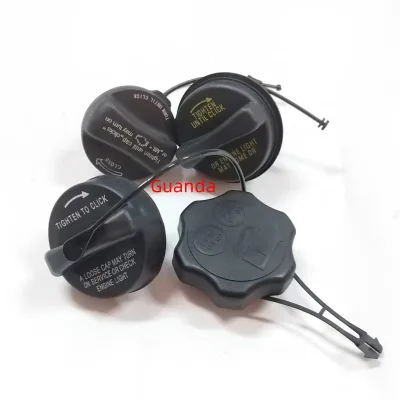

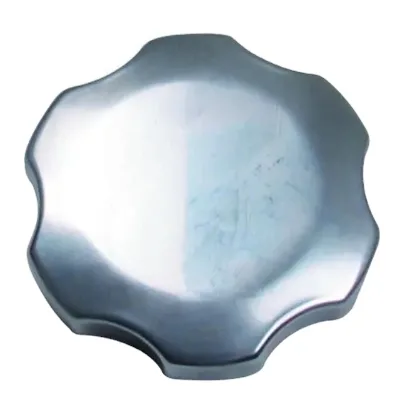
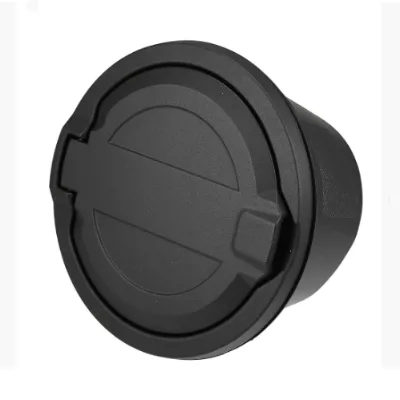
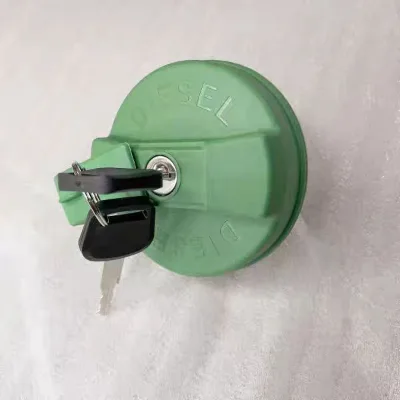


Comprehensive Sourcing Guide
Durable Fuel Tank Cap Sourcing Guide
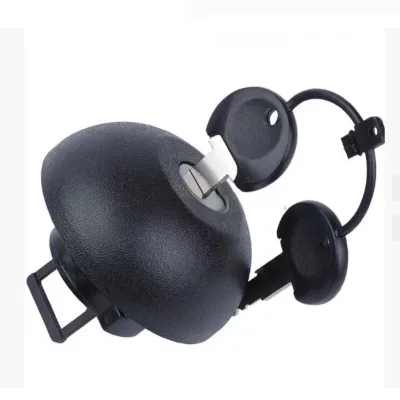
Procuring durable fuel tank caps requires a strategic approach that balances material integrity with operational reliability. Buyers must prioritize components that withstand harsh environmental conditions while maintaining a secure seal against fuel vapors and contaminants. The selection process begins with identifying the specific vehicle or machinery type, as caps for heavy-duty trucks differ significantly from those used in light passenger vehicles or industrial excavators. Understanding the mounting type and connection style is essential to ensure compatibility with existing fuel system infrastructure.
This guide outlines the critical verification steps for sourcing high-quality fuel caps. It covers technical specifications, compliance requirements, and commercial terms that influence long-term procurement success. By focusing on observable listing signals and supplier qualifications, buyers can mitigate risks associated with counterfeit or substandard parts. The following sections provide a structured framework for evaluating potential suppliers and ensuring that the selected fuel caps meet rigorous performance standards.
Product Scope and Observed Listing Signals
The market for fuel tank caps includes a diverse range of products, from simple manual caps to complex, interchangeable units designed for specific engine types. Observed listings indicate that materials vary significantly, with options ranging from metal constructions to polypropylene (PP) variants. Buyers should note that some products are explicitly labeled for diesel, gasoline, or kerosene applications, which dictates the necessary chemical resistance of the sealing components. The shape and mounting type, such as horizontal or column designs, further narrow the selection to fit specific chassis or equipment geometries.
Listing signals also reveal variations in packaging and origin, which can impact logistics and quality assurance. Products originating from regions like Shandong or Jiangsu Xuzhou often come with specific packing methods, including carton or express packaging, depending on the order size. Some suppliers offer customization options, allowing buyers to tailor the cap to unique operational needs. However, buyers must verify that these customizations do not compromise the fundamental durability or sealing integrity of the component.
Technical Specifications to Verify
Technical verification is paramount when sourcing fuel tank caps, particularly regarding diameter and pressure ratings. Standard sizes such as 4-inch normal diameters are common, but buyers must confirm compatibility with their specific fuel tank openings. Pressure ratings, such as 0.6MPa, indicate the cap’s ability to maintain system integrity under varying conditions. Additionally, the connection type, whether female or socket union, must align with the fuel line or tank inlet to prevent leaks or improper installation.
Material composition is another critical specification that influences longevity. Metal caps offer robust protection against physical damage, while plastic alternatives may provide better corrosion resistance in certain environments. Buyers should also check the nominal diameter and inner diameter specifications to ensure a precise fit. For instance, inner diameters ranging from 20-22.5mm require careful measurement to avoid gaps that could allow debris entry. Verifying these dimensions against the original equipment manufacturer (OEM) specifications is essential for a seamless replacement.
Compliance and Safety Documentation
Compliance with international standards is non-negotiable for fuel tank caps, given their role in preventing fuel spills and vapor emissions. Certifications such as ISO9001 indicate that the supplier adheres to quality management systems, ensuring consistent production standards. Additionally, regional standards like CCC may be required for products destined for specific markets, particularly in East Asia. Buyers must request valid certification documents to verify that the supplier’s quality control processes meet regulatory requirements.
Safety documentation also includes information on the cap’s performance under extreme conditions. Buyers should inquire about test results related to pressure resistance and material durability. While some listings mention warranties, such as a three-month warranty period, these should be viewed as supplementary to rigorous compliance checks. Ensuring that the product meets all relevant safety standards protects the buyer from liability and ensures that the fuel cap performs reliably in real-world applications.
Cost Drivers and Commercial Terms
Cost drivers for fuel tank caps include material quality, certification status, and order volume. While observed price ranges can vary widely, buyers should focus on the value proposition rather than the lowest price. Higher-quality materials and robust certifications often justify a premium, as they reduce the risk of premature failure and associated downtime. Minimum order quantities (MOQ) also play a significant role, with some suppliers offering low MOQs for sample orders and higher volumes for bulk purchases.
Commercial terms such as payment methods and lead times are crucial for supply chain planning. Options like T/T, Western Union, and PayPal provide flexibility, but buyers should assess the security of each method. Lead times, often cited as within 1-3 working days after payment, indicate the supplier’s responsiveness. However, buyers should confirm actual production and shipping times to avoid delays. Understanding these terms helps in budgeting accurately and managing inventory levels effectively.
Supplier Qualification and Quality Control
Supplier qualification involves assessing the manufacturer’s production capabilities and quality control measures. Buyers should verify the supplier’s location and production history to ensure they have experience in manufacturing fuel system components. Suppliers from established industrial regions often have better access to raw materials and skilled labor, which can enhance product consistency. Additionally, checking for certifications like CE or ISO9001 provides assurance that the supplier follows recognized quality standards.
Quality control processes should include rigorous testing of each batch of fuel caps. Buyers should inquire about the supplier’s inspection protocols, including checks for dimensional accuracy, material integrity, and sealing performance. Some suppliers offer customization services, which require additional quality checks to ensure that modifications do not compromise the product’s reliability. Establishing a clear communication channel with the supplier for quality feedback is essential for maintaining high standards throughout the procurement process.
Long-Term Procurement Checks
Long-term procurement success depends on continuous monitoring of supplier performance and product reliability. Buyers should establish key performance indicators (KPIs) such as defect rates, delivery punctuality, and customer support responsiveness. Regular audits of the supplier’s quality control processes can help identify potential issues before they impact production. Additionally, maintaining a diverse supplier base can mitigate risks associated with supply chain disruptions or quality inconsistencies.
Feedback loops with end-users are also critical for long-term improvement. Collecting data on the fuel cap’s performance in real-world applications can highlight areas for improvement or validation of current specifications. Buyers should periodically review market trends and technological advancements to ensure that their sourcing strategy remains competitive. By staying informed and proactive, buyers can secure a reliable supply of durable fuel tank caps that meet evolving operational demands.
FAQs
What certifications are available for durable fuel tank caps?
ISO9001 and CE certifications are available for durable fuel tank caps. These standards ensure quality management and safety compliance. Buyers can verify these credentials to meet regulatory requirements in various markets. The products also adhere to CCC standards for specific regional applications. This ensures reliability and trust in the supply chain for industrial components.
Can durable fuel tank caps be customized for specific needs?
Yes, durable fuel tank caps can be customized according to customer requirements. This includes specific dimensions, materials, and packaging options. Buyers can request tailored solutions to fit unique machinery or vehicle specifications. The customization service allows for flexibility in design and functionality. This ensures the product meets exact operational needs and integrates seamlessly.
What is the typical lead time for durable fuel tank cap orders?
The typical lead time is within 1-3 working days after receiving payment. This fast turnaround supports urgent procurement needs and inventory management. Buyers can plan their supply chain with confidence due to this efficiency. The quick processing ensures timely delivery for both small and large orders. This responsiveness is crucial for maintaining continuous operations in industrial settings.
Which materials are used for durable fuel tank cap construction?
Durable fuel tank caps are constructed from metal and copper materials. These materials provide strength, corrosion resistance, and longevity for harsh environments. The metal construction ensures the cap can withstand pressure and physical stress. Copper components may be used for specific connection points or fittings. This combination offers a robust solution for fuel system integrity and safety.
What are the shipping terms for durable fuel tank cap purchases?
Shipping terms include Express, Air, and Sea freight options. Buyers can choose the method that best fits their urgency and budget. Express shipping is ideal for small, urgent orders, while sea freight suits bulk purchases. These flexible options ensure global reach and reliable delivery. The supplier supports various logistics needs to accommodate international trade requirements effectively.